


-

Add: HeBei ShengShi HongBang Cellulose Technology CO.,LTD.
-

Email
13180486930@163.com -

CONTACT US
+86 13180486930



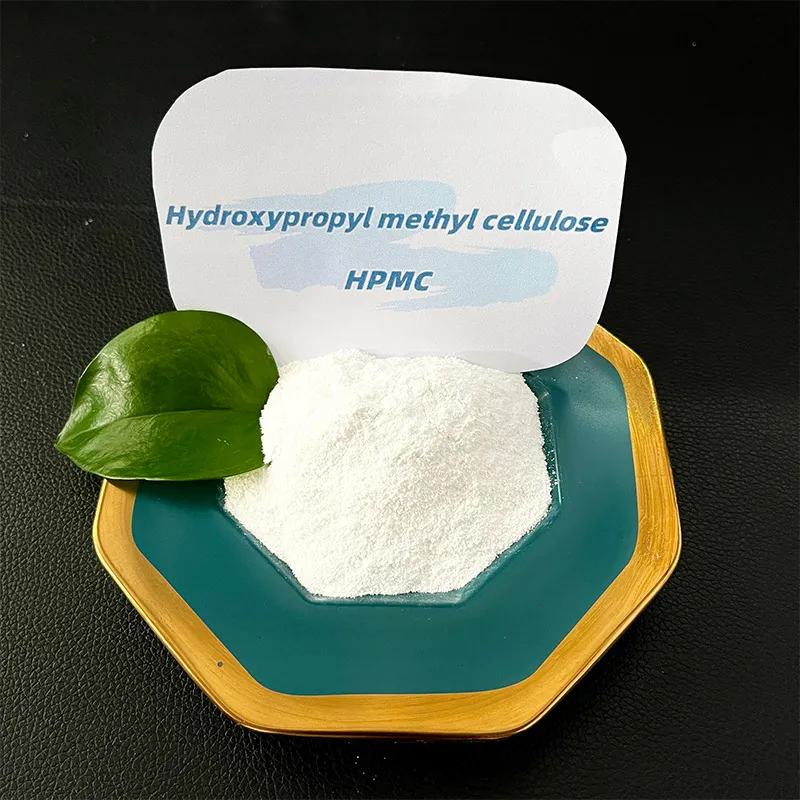
Hydroxypropyl methylcellulose (HPMC) , a versatile polymer traditionally used in pharmaceuticals and food science, has gained profound traction in skincare formulations. Illuminating its scientific merits and practical applications reveals why HPMC is a coveted ingredient in modern skincare products. HPMC functions primarily as a thickening agent, stabilizer, and moisture-retention enhancer in skincare items. Its unique ability to form a protective barrier on the skin makes it effective in preventing water loss, crucial for maintaining hydration in skin strata. The non-reactive and inert nature of HPMC means it integrates seamlessly with other ingredients, enhancing product stability without adverse reactions. Furthermore, its ability to improve the sensorial profile of formulations translates to more pleasing textures and application experiences for consumers. From a scientific viewpoint, HPMC’s structure is composed of cellulose, offering biocompatibility and sustainability. This cellulose backbone is coupled with hydroxypropyl and methyl groups, providing solubility in both cold and warm water – a critical attribute for manufacturers seeking versatile production processes. Products containing HPMC can be easily tailored in viscosity, catering to diverse formulation needs ranging from lightweight serums to rich night creams. Expert studies highlight that HPMC can play a significant role in enhancing the efficacy of active ingredients. By forming a semi-occlusive layer, it allows for the gradual release and prolonged presence of actives like hyaluronic acid and vitamin C on the skin surface, thus amplifying their effectiveness. This prolonged contact time is beneficial for ingredients prone to rapid oxidation or degradation, providing a significant edge in terms of product potency and shelf life. hydroxypropyl methylcellulose in skin care Anecdotal evidence from seasoned dermatologists and skincare enthusiasts attests to the soothing benefits of HPMC-enriched formulations. Its hypoallergenic property makes it suitable for sensitive skin types, while its film-forming capacity assists in protecting the skin barrier from environmental aggressors like pollutants and UV rays. The multi-faceted qualities of HPMC extend to addressing skin imperfections – it is often incorporated in formulations targeting signs of aging, redness, and minor irritations, enhancing the skin’s natural resilience and radiance. Leading skincare brands leverage the authority of HPMC-backed research to innovate and differentiate their product lines. By synergizing HPMC with botanical extracts and cutting-edge actives, they forge products that resonate with consumers seeking efficacy paired with a clean and conscious ingredient list. The credibility of using a plant-based polymer like HPMC aligns with the growing consumer demand for transparency and sustainability in beauty products. For consumers, the trust in HPMC is built on its proven track record of safety and performance. It is non-toxic, non-irritating, and recognized by global health authorities as a safe additive, bolstering consumer confidence. Its extensive application in biomedicine for controlled drug release further elevates its standing in the skincare domain, reminding users of the scientific rigor underpinning their everyday beauty routines. In conclusion, the integration of hydroxypropyl methylcellulose in skincare is not merely a formulation trend; it symbolizes a deeper shift towards synergizing nature's offerings with scientific precision. By championing HPMC, skincare brands not only uplift their product efficacy but also embrace a narrative of innovation underpinned by reliability and empirical validation. As consumers continue to navigate an expansive skincare market, HPMC stands out as a pillar of trust, offering tangible benefits that cater to their evolving skincare ethos.
- 40000tons

Production
- 20+years

Experience
- 5000+㎡

Acreage

-
Methylcellulose An Essential Excipient in Pharmaceutical Innovations In the realm of pharmaceutical science, the importance of excipients can't be overstated. Methylcellulose, a cellulose derivative, stands as a pivotal player in the formulation of various medications, offering unique properties that enhance drug delivery and efficacy. This article explores the multifaceted applications of methylcellulose in pharmaceuticals, underpinned by a deep dive into its characteristics and contributions to modern medicine. Methylcellulose is renowned for its exceptional ability to act as a binder, emulsifier, and controlled-release agent. This versatility stems from its unique chemical structure, which combines cellulose with methyl ethers. This modification endows methylcellulose with hydrophilic and viscoelastic properties, making it invaluable in tablet formation. In experience-driven product development, many formulation scientists have attested to its efficient binding capabilities that ensure tablets are robust and cohesive, yet break down efficiently in the digestive system for optimal drug absorption. Its emulsifying properties are equally significant. Methylcellulose acts as a stabilizer for emulsions, crucial for the production of topical ointments and creams where active pharmaceutical ingredients (APIs) are dispersed in a carrier substance. Expertise in formulation confirms that methylcellulose contributes to the uniform distribution of APIs, enhancing the product's overall therapeutic efficacy. This makes it an indispensable component in dermatological applications, exuding trust through consistent performance and patient outcomes. Controlled-release formulations are the frontier of patient-centric drug delivery systems. Methylcellulose functions as a matrix former in these formulations, providing sustained release of active ingredients over prolonged periods. This minimizes dosing frequency and enhances patient compliance—a testimony to its authoritativeness in pharmaceutical research and development. Numerous clinical studies validate its effectiveness in achieving steady plasma concentration levels of medications, thereby optimizing therapeutic results and reducing side effects. methylcellulose used in pharmaceuticals Notably, the trustworthiness of methylcellulose in pharmaceuticals is anchored on its safety profile . It is an inert compound, not absorbed systemically, reducing the risk of adverse effects. This inertness, coupled with its biodegradability, makes methylcellulose an eco-friendly choice for pharmaceutical industries committed to sustainable practices. Regulatory agencies, including the FDA, have extensively reviewed and approved its use across various drug formulations, further cementing its status as a reliable excipient. Furthermore, patient experience with methylcellulose-based products is overwhelmingly positive. Anecdotal evidence and patient testimonials highlight improved compliance due to the ease of administration and the enhanced stability of formulations. This feedback, gathered over years of clinical use, continuously informs improvements in product design and delivery methods, reinforcing methylcellulose's place in pharmaceutical innovation. As the pharmaceutical landscape evolves, the demand for novel delivery systems and patient-friendly formulations grows. Methylcellulose, with its diverse applications and proven benefits, remains at the forefront of this evolution. It epitomizes the intersection of scientific innovation and practical application, underscoring the importance of excipients in the advancement of healthcare solutions. By integrating methylcellulose with technological advancements, pharmaceutical companies not only enhance the quality and efficacy of their products but also fortify their reputation in the industry. Thus, methylcellulose is not merely an excipient; it is a cornerstone of pharmaceutical excellence, instrumental in shaping the future of medicine.
-
Navigating the intricacies of starch ether pricing can be a challenging task, especially for businesses relying on its unique properties for various applications. As the demand for ecologically friendly and high-performance construction materials grows, understanding the factors influencing starch ether price becomes paramount. Let’s delve into the core variables affecting pricing and provide insights to aid companies in making informed purchasing decisions. Starch ether, a modified polysaccharide, is esteemed in industries such as construction, textiles, and adhesives for its ability to improve water retention, workability, and consistency. Its usefulness across sectors makes it a commodity whose price is shaped by numerous factors. The price of starch ether is intricately tied to raw material costs, primarily the price of native starches derived from corn or potatoes. Variability in agricultural output can influence supply levels; hence, fluctuations in crop yields due to weather conditions or export-import policies in major producing countries can significantly impact prices. For instance, a poor corn harvest season can drive up the cost of base starch, which in turn raises starch ether prices. Additionally, production costs are a crucial determinant. The conversion of native starch into starch ethers involves specialized technology and chemical treatments, which require steady investment into research and development to improve efficiency and sustainability of the process. As manufacturers strive to meet environmental standards, they often invest in greener production technologies. This transition may increase operational costs temporarily, thereby affecting the price point of the final product. starch ether price Another key element affecting starch ether pricing is the prevailing demand across industries . With increasing environmental regulations encouraging the use of biodegradable and non-toxic materials, starch ether sees higher usage in applications like sustainable packaging and construction. This heightened demand can create upward pressure on prices, especially if supply doesn't scale proportionately. Emerging markets and technological advancements further contribute to the price dynamics of starch ethers. Adoption in new geographical areas or industries can drive competitive pricing, while innovations that improve functionality or application efficiency can command a premium price. Being proactive, businesses can capitalize on these advancements either through strategic partnerships or by investing in cutting-edge starch ether products that provide enhanced value propositions. Global economic conditions also play a part in pricing. Exchange rate fluctuations can alter import and export dynamics, impacting prices for countries reliant on international trade for raw materials or finished products. Tariffs and trade agreements likewise shape the overall cost structure, influencing final market prices. In conclusion, navigating the pricing landscape of starch ether requires a comprehensive understanding of multifactorial influences. Businesses can optimize their purchase strategy by closely monitoring raw material markets, staying abreast of advancements in production technologies, and being alert to demand shifts in the global arena. By prioritizing transparency and building strong supplier relationships, companies can better manage cost variables and maintain competitive advantage in their respective sectors.
advantages
-

200000 Viscosities
Excellent product
We can produce pure products up to 200,000 viscosities
-

40000 tons
High yield
We don’t stop production all year round, and the annual output can reach 40,000 tons
-

24 hours
Quality service
We provide 24-hours online reception service, welcome to consult at any time
———— Inquiry Form
Schedule A services

-
 what_is_wood_cellulose
Oct . 25, 2025
Hydroxypropyl methylcellulose (HPMC) E50 is a versatile and highly valued polymer in various industr -
 hpmc_full_name
Oct . 25, 2025
In modern construction, the demand for materials that offer durability, workability, and cost-effici -
 penghambat_gipsum
Oct . 25, 2025
In the construction industry, particularly in regions with extreme weather conditions, freeze-thaw r


